【THE ROAR OF THE TIGER, THE FLIGHT OF THE DRAGON: THE TRUTH BEHIND THE VERSE】
 TANUFOX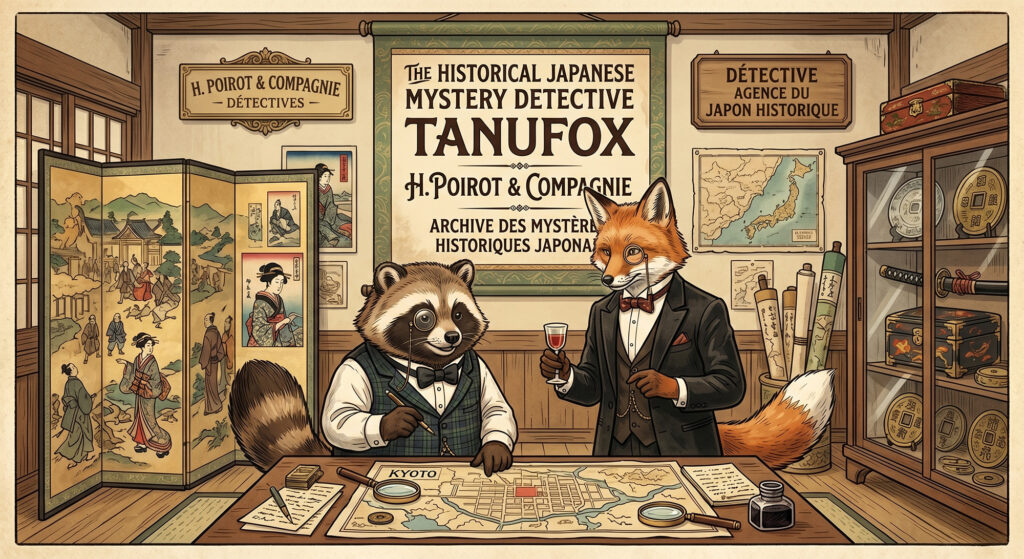
Filename: Lost-in-the-Fog-of-History-TANUFOXs-Deductions.jpg
File type: image/jpeg
File size: 984 KB
Dimensions: 2000 x 1091 pixels
画像をクリック(スマホはタップ)し、表示された画像を右クリック(スマホは長押し)して保存してください。
Click (or tap) the image, then right-click (or long-press on mobile) to save it.
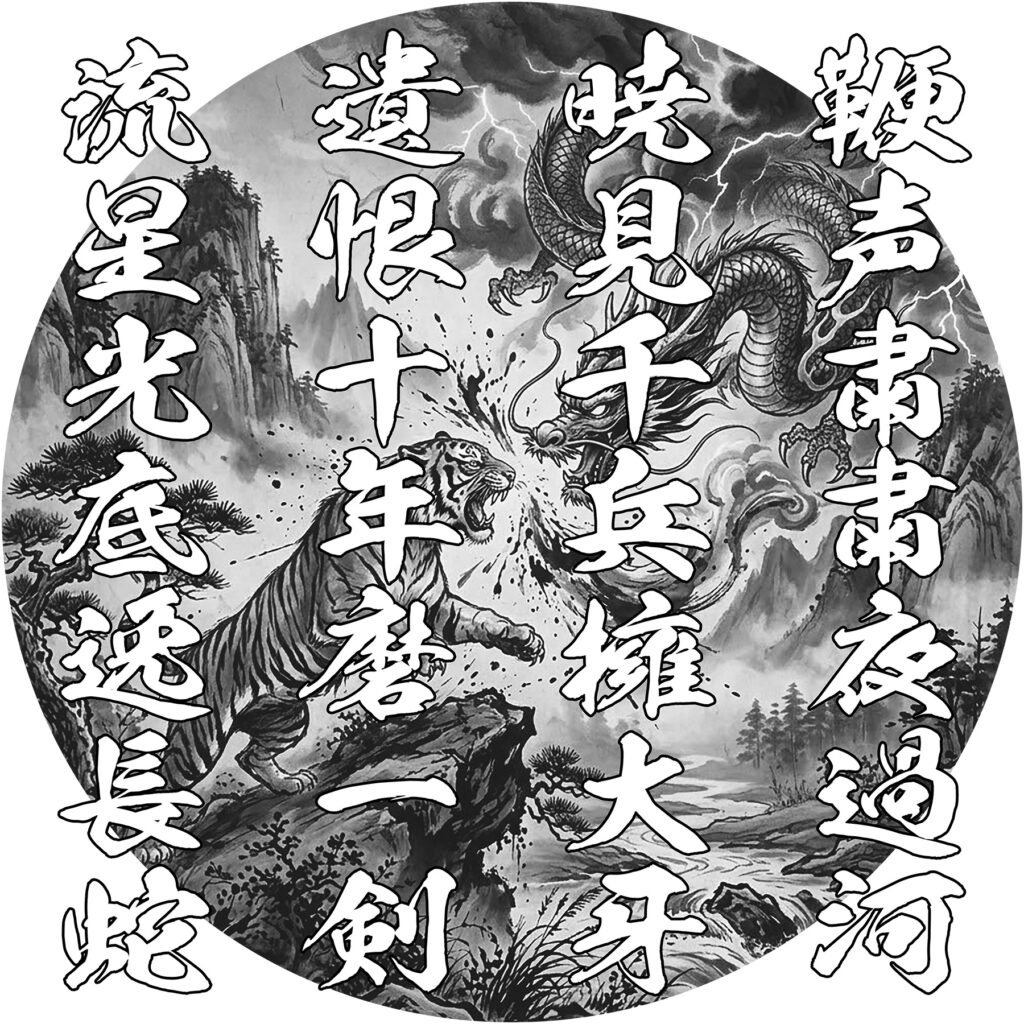
Gather ’round, art lovers, history buffs, and stealthy foxes! Step right up and look closely at the masterpiece before your eyes. Today, we dive deep into the misty valleys of Kawanakajima, where the two greatest titans of the Sengoku period clashed like dynamic forces of nature!
On one side: Takeda Shingen, the Kai Tiger—a tactical genius who ruled with iron discipline and human wisdom.
On the other side: Uesugi Kenshin, the Echigo Dragon—the self-proclaimed avatar of the God of War!
But wait! When you look at our design, you see the Tiger and the Dragon locked in a furious duel. Yet, if you read the most famous poem written about this legendary clash, you will find something… peculiar.
📜 The Epic Verse: Rai Sanyo's Masterpiece
In the late Edo period, there was a brilliant scholar, a poet of fiery passion named Rai Sanyo (頼山陽). He looked at a painting of the Kawanakajima battle and was so moved that he penned these immortal words:
"鞭声粛粛夜過河" (Quietly, under the cover of night, the whips crack as they cross the river…)
"暁見千兵擁大牙" (At dawn, behold! Thousands of enemy soldiers surround the great general's banner!)
"遺恨十年磨一剣" (For ten bitter years, he sharpened his single sword for this very moment…)
"流星光底逸長蛇" (Under the flash of a falling star, the blade strikes—but alas! The Great Serpent slips away!)
(A dramatic pause… Pa-pan!)
Did you catch that last line? The Great Serpent slips away!
Wait a minute! Shingen is the Tiger, isn’t he? Why on earth did Rai Sanyo call him a "Serpent" (長蛇 - Great Snake)?!
🐍 The Secret Bias: Rai Sanyo was a hardcore Kenshin Fanboy!
Here is the juicy truth, my friends! Rai Sanyo was a total, unapologetic Uesugi Kenshin fanboy.
To Sanyo, Kenshin was the ultimate romantic hero—a man who fought for justice, not greed. So, when he wrote this poem, he wrote it entirely from Kenshin’s perspective! The first three lines are all about Kenshin’s dramatic midnight raid.
And Shingen? Sanyo didn't want to praise the Tiger. In classical Chinese poetry, a "Great Serpent" represents a terrifying, massive, and monstrously powerful adversary. By calling Shingen a serpent, Sanyo was saying, "Kenshin’s brilliant sword flashed like a shooting star, but Shingen’s army was like a giant, slippery monster that just couldn't be killed!"
It wasn't an insult; it was the frustrated cry of a fanboy admitting that Shingen’s defense was simply unbreakable!
💥 The Clash of Idols: Shingen vs. Kenshin
While Sanyo loved Kenshin's flashing sword, we must remember the heavy truth of the Kai Tiger. Shingen wasn't just about flashy battles; he carried the weight of his clan, making brutal choices to protect his people and build a legacy that would outlive death itself.
It is the clash between Kenshin's idealistic "Dragon" and Shingen's realistic, unstoppable "Tiger."
Now, feast your eyes on our digital collection. Witness the raw ink, the exploding energy, and the eternal spirit of the Sengoku period. Below are our proud designs capturing the ultimate rivalry—the Tiger, the Dragon, and the unbreakable wills of Kawanakajima!
(The final, resounding strike of the fan! Pa-pan!)
Today, I wrote a blog post in the traditional Koudan style!
What is Koudan?
Koudan (講談) is a traditional Japanese art of oral storytelling that dates back to the Edo period. Unlike Rakugo (which focuses on comedic dialogues and everyday life), Koudan is all about history, epic battles, and heroic tales!
The storyteller, known as a Koudanshi, sits behind a small wooden desk called a Shakuba. Their greatest weapon? A paper fan called a Shakusen (ハリセン/張り扇).
With a sharp "Pa-pan!", they slam the fan against the desk to create a thrilling tempo, mimicking the sound of galloping horses, clashing swords, or a beating heart. Through powerful vocal inflections and dynamic pacing, a single storyteller can bring an entire army—or a legendary clash like Kawanakajima—right before your eyes!
It is the ultimate blend of historical education, theatrical performance, and raw narrative soul!
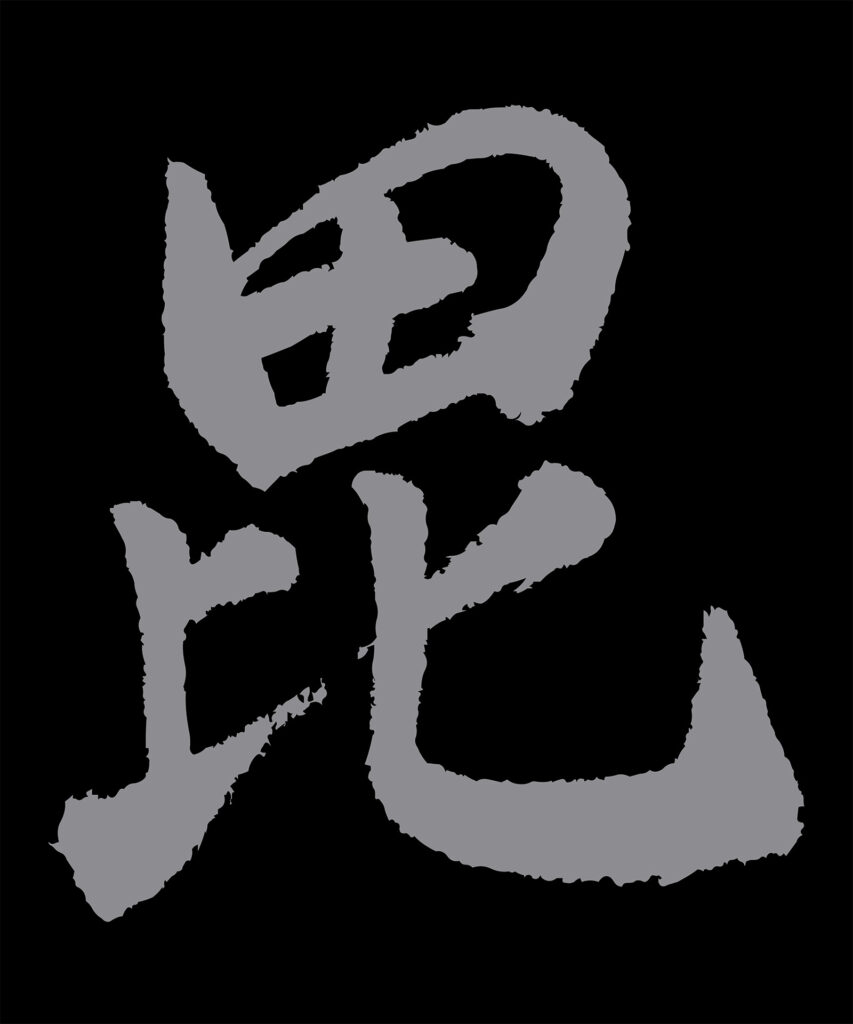
On the left stands the battle flag of Uesugi Kenshin, emblazoned with the kanji 'Bi' (毘), representing Bishamonten, the Buddhist deity of warriors.
この作品を気に入っていただけましたら、創作活動の資金としてご支援をいただけると大変励みになります。
Q. 支援は必須ですか?
いいえ、全く必須ではありません。作品は完全に無料で自由にお楽しみください。
Q. 金額の指定はありますか?
いいえ、ご自身でお選びいただけます!500円以上で、ご無理のない範囲で自由にお決めください。